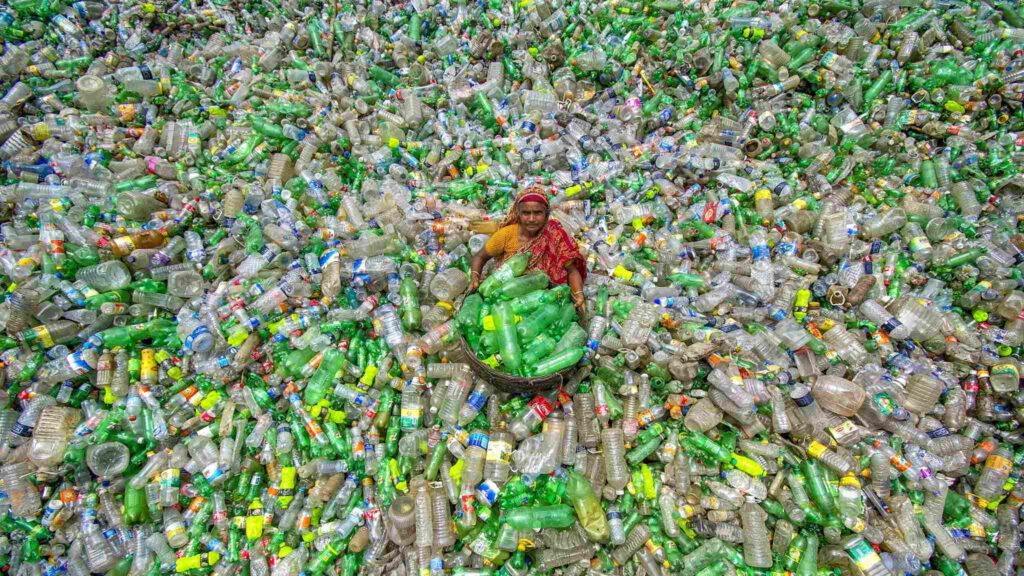
Bangladesh, one of the fastest-growing economies in South Asia, is facing an increasingly critical challenge—waste management. Rapid urbanization, population growth, and industrial expansion have significantly increased waste generation across the country. While recycling practices exist, the system remains largely informal and underdeveloped. Understanding the current situation is essential to identifying opportunities for sustainable waste recycling management.
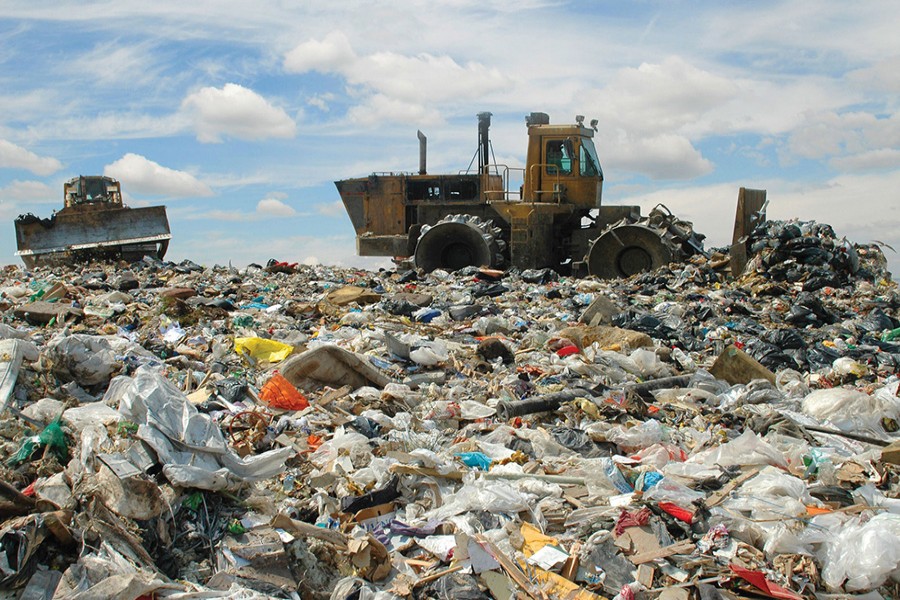
Source Photo: The Financial Express
Growing Waste Generation in Bangladesh
Bangladesh produces an enormous amount of waste every day. Recent estimates suggest that the country generates around 24,000 metric tons of municipal solid waste daily, with major cities like Dhaka contributing a large share.
However, the real challenge lies in handling this waste efficiently. Only about 45% of total waste is collected, leaving more than half unmanaged and often dumped in open areas, rivers, and landfills.
This unmanaged waste not only pollutes the environment but also creates serious health risks for millions of people.
Recycling Scenario: Progress and Limitations
Recycling in Bangladesh is still at a developing stage. The national recycling rate ranges roughly between 3% and 8%, depending on the source and type of waste.
Interestingly, a significant portion of recycling is handled by the informal sector, which includes an estimated 500,000 waste pickers working without proper safety measures or legal recognition.
Despite limited infrastructure, this informal network plays a crucial role in recovering recyclable materials such as plastic, paper, and metal.
Plastic Waste: A Major Environmental Threat
Plastic waste has become one of the most visible and harmful environmental issues in Bangladesh. The country generates approximately 800,000 to 900,000 tonnes of plastic waste annually, yet only about 36% is recycled.
In cities like Dhaka, plastic waste clogs drainage systems, causing frequent urban flooding. Single-use plastics, including bags and bottles, are a major contributor to this crisis. Despite bans on polythene bags, enforcement remains weak, allowing widespread usage to continue.
A study also reveals that only about 21% of single-use plastic bottles are recycled, while the majority ends up polluting land and water bodies.
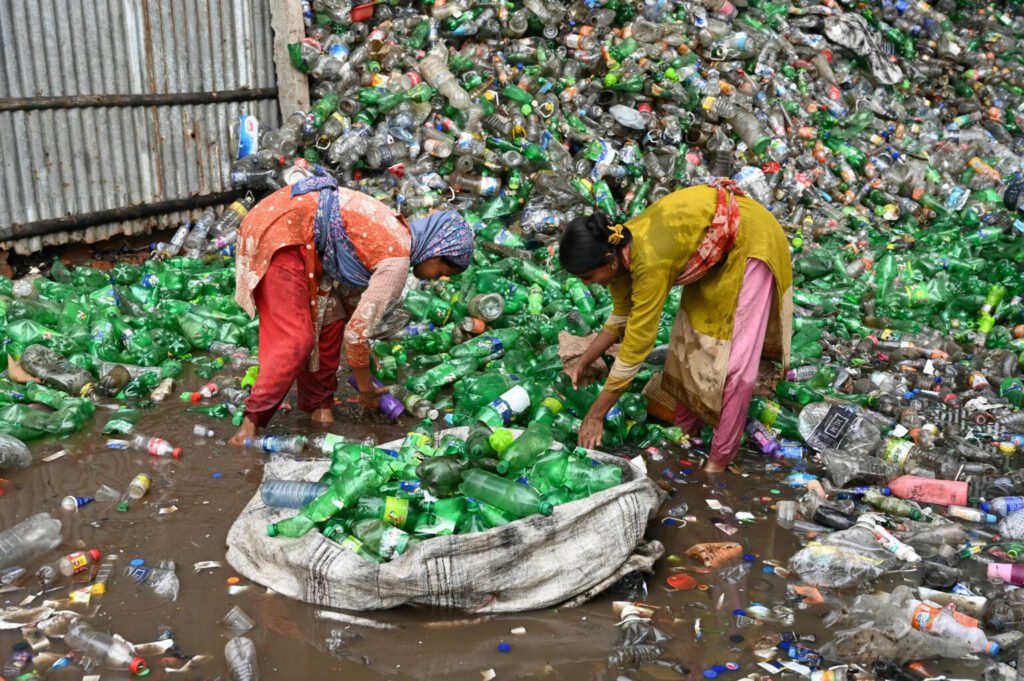
Source Photo: INTERNATIONAL SOCIETY FOR HUMAN RIGHTS
Sector-Specific Waste Challenges
1. Electronic Waste (E-waste)
Bangladesh generates around 400,000 metric tons of e-waste annually, but only a very small percentage is formally recycled.
Most e-waste is processed informally, posing serious health risks due to toxic materials.
2. Textile Waste
As a global leader in garment production, Bangladesh produces massive textile waste. However, only a small portion is recycled domestically, with much of it exported or discarded, resulting in lost economic potential.
3. Organic Waste
A large portion of Bangladesh’s waste is organic and compostable. Yet, due to lack of segregation, most of it ends up in landfills instead of being converted into compost or energy.
Key Challenges in Waste Recycling Management
Bangladesh faces several structural and operational challenges:
- Lack of source segregation: Around 82% of households dispose of mixed waste, making recycling difficult.
- Insufficient infrastructure: Limited recycling plants and outdated collection systems
- Weak policy enforcement: Existing laws are not effectively implemented
- Low public awareness: Many people are unaware of proper waste disposal practices
- Financial constraints: Waste management receives less than 1% of municipal budgets
Positive Developments and Opportunities
Despite the challenges, there are encouraging signs:
- The government has introduced policies like the National 3R Strategy (Reduce, Reuse, Recycle) and Solid Waste Management Rules 2021
- The National Action Plan for Sustainable Plastic Management aims to significantly reduce plastic pollution
- Cities like Chattogram have achieved impressive recycling rates, with some studies reporting up to 73% plastic recycling
- Growing demand for recycled materials, especially in the textile industry
These developments highlight the potential for Bangladesh to transition toward a circular economy.
The Way Forward
To build an efficient waste recycling system, Bangladesh needs a multi-dimensional approach:
- Promote source segregation at household level
- Invest in modern recycling infrastructure
- Formalize and support the informal sector
- Strengthen policy enforcement and monitoring
- Encourage private sector participation and innovation
- Increase public awareness through education and campaigns
Conclusion
Waste recycling management in Bangladesh is at a critical turning point. While the current system faces significant challenges, it also offers immense opportunities for economic growth, job creation, and environmental protection.
With proper planning, investment, and collaboration between government, businesses, and citizens, Bangladesh can transform its waste problem into a sustainable resource management system—paving the way for a cleaner and greener future.
Written & Edited by
ECOBIONEX Recycling