
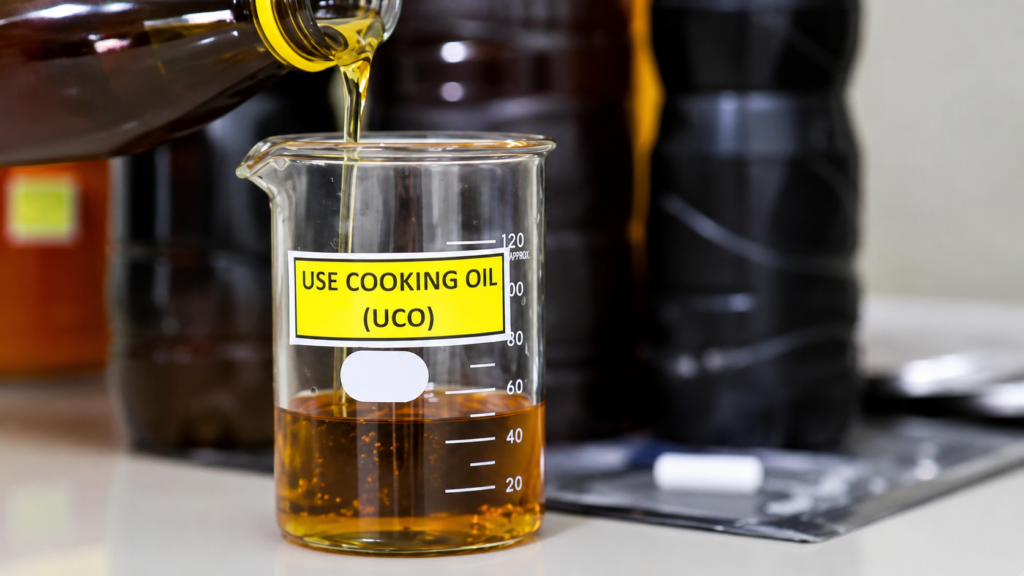
Every day, homes, restaurants, hotels, and food businesses across Bangladesh generate large amounts of used cooking oil (UCO). While many people consider it ordinary kitchen waste, used cooking oil is actually a valuable resource that can be recycled into renewable products such as biodiesel. However, when it is disposed of improperly or illegally reused, it can pose serious risks to public health and the environment.
What Is Used Cooking Oil?
Used cooking oil is vegetable oil or animal fat that has been used for frying or cooking and is no longer safe for food preparation. Common cooking oils include palm oil, soybean oil, sunflower oil, canola oil, and olive oil.
After repeated heating, cooking oil begins to break down, producing harmful compounds that affect both food quality and human health.
Why Proper Disposal Matters?
Many people still pour used cooking oil down the drain or throw it away with household waste. This can lead to:
Blocked drains and sewer systems
Water pollution
Damage to rivers and aquatic life
Increased waste management costs
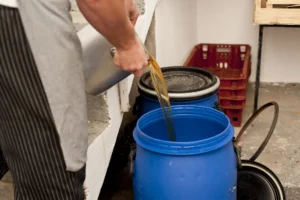
Instead, used cooking oil should be collected and recycled through authorized collection services.
The Secondary Food Chain Problem in Bangladesh!
One of the biggest challenges in Bangladesh is the secondary food chain. Instead of being recycled, some used cooking oil is illegally collected from restaurants and sold back into the market for cooking.
This recycled oil may end up being used by small restaurants, street food vendors, or in counterfeit edible oil products. Since the oil has already been heated multiple times, it may contain harmful compounds, including trans fats and other toxic substances that can increase the risk of heart disease and other health problems.
Preventing used cooking oil from re-entering the food chain is essential for protecting public health. Proper collection and recycling ensure that the oil is converted into safe, sustainable products instead of returning to our plates.
How Used Cooking Oil Is Recycled
Collected used cooking oil goes through a cleaning and filtration process before being processed into valuable products such as:
Biodiesel
Renewable diesel
Industrial lubricants
Soap and detergents
Bio-based chemicals
Recycling helps reduce waste while supporting renewable energy and a circular economy.
Benefits of Recycling Used Cooking Oil:
Recycling used cooking oil offers several important benefits:
Reduces environmental pollution
Prevents drain blockages and sewer damage
Protects rivers and waterways
Supports renewable fuel production
Lowers greenhouse gas emissions
Prevents illegal reuse in the food chain
What You Can Do
Whether you’re a household or a business owner, you can help by:
Never pouring cooking oil down the drain.
Storing cooled used cooking oil in a sealed container.
Handing it over to an authorized used cooking oil collector or recycling company.
Encouraging restaurants and food businesses to recycle their used oil responsibly.
Conclusion
Used cooking oil is more than just kitchen waste, it’s a valuable resource when managed responsibly. In Bangladesh, proper collection and recycling not only help protect the environment but also prevent used oil from re-entering the secondary food chain, where it can threaten public health.
By choosing responsible disposal and supporting recycling initiatives, individuals and businesses can contribute to cleaner cities, safer food, and a more sustainable future for Bangladesh.