
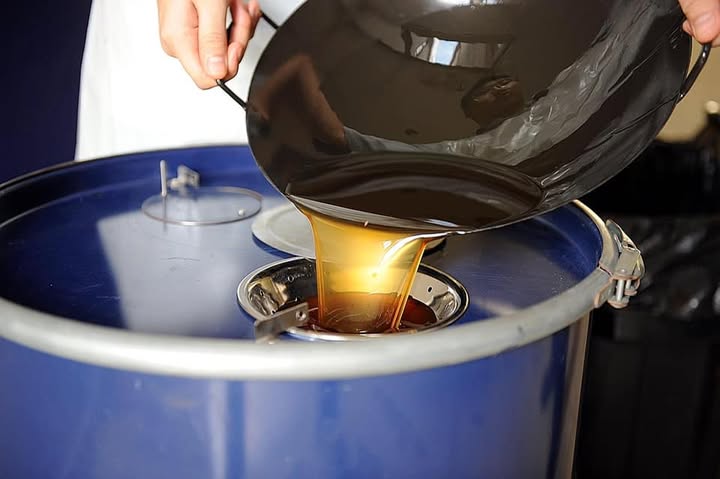
Used Cooking Oil (UCO) is an often-overlooked waste product in Bangladesh, yet it holds significant environmental, economic, and health implications. Generated daily from households, restaurants, hotels, and food industries, this waste oil can either become a serious problem—or a valuable resource—depending on how it is managed.
What is Used Cooking Oil?
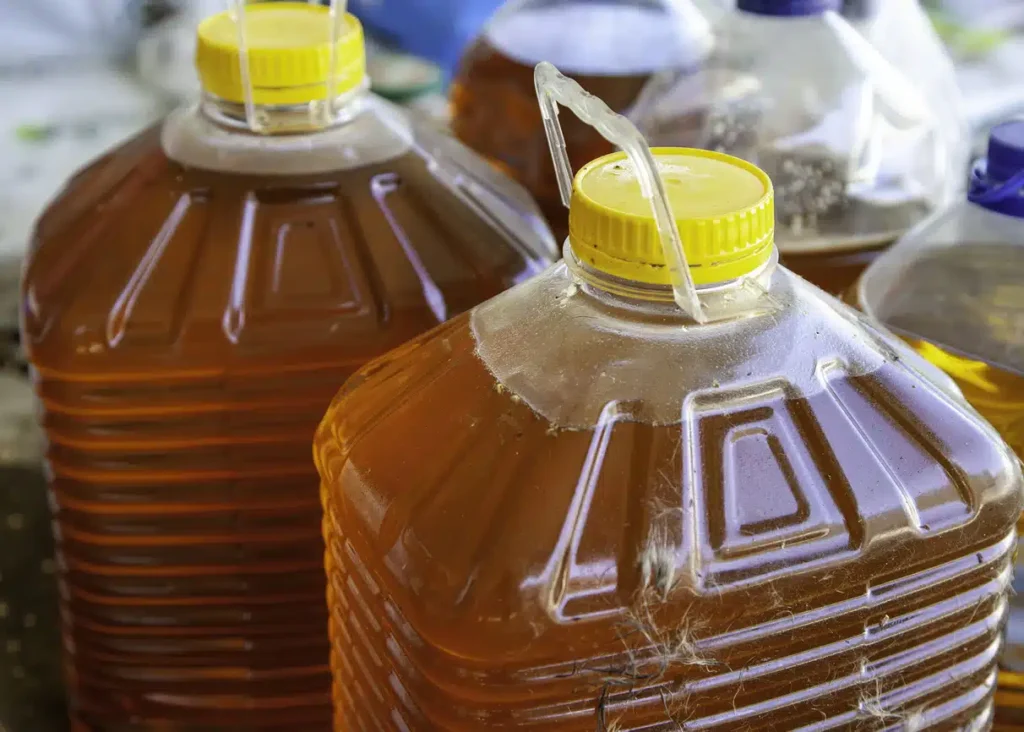
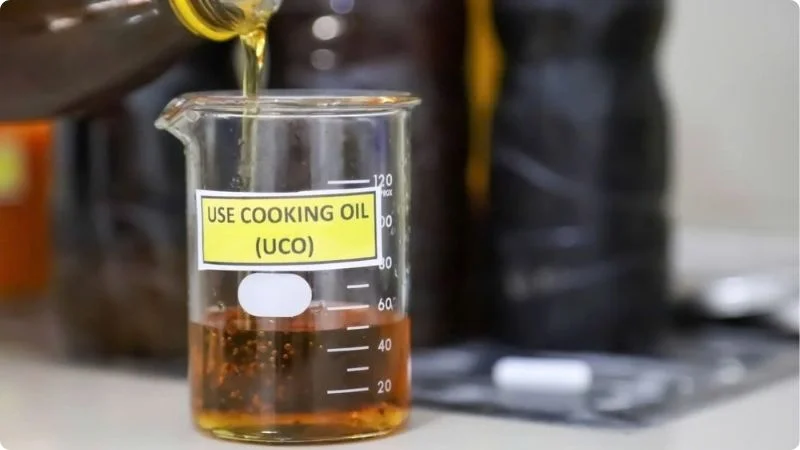
Used Cooking Oil refers to vegetable or animal-based oil that has been utilized for frying or cooking and is no longer suitable for food preparation. Instead of being discarded, UCO can be collected, processed, and reused in various industries, particularly for renewable energy production.
Current Situation in Bangladesh
In Bangladesh, improper disposal and reuse of cooking oil remain widespread. Many food vendors repeatedly use the same oil, which can degrade and become harmful to human health. Poor-quality reused oil has been linked to serious health issues, including cardiovascular diseases.
Additionally, a large portion of used oil is often dumped into drains, rivers, or soil, leading to environmental pollution. This practice clogs drainage systems, contaminates water bodies, and harms aquatic ecosystems.
However, awareness is slowly increasing. Some companies and initiatives have started building collection networks to manage UCO more efficiently and prevent it from re-entering the food chain.
Environmental Impact
Improper disposal of used cooking oil has several negative consequences:
- Water pollution: Oil forms a layer on water surfaces, reducing oxygen levels and harming aquatic life.
- Drainage blockage: Oil solidifies and causes clogging in sewage systems.
- Soil contamination: It affects soil quality and reduces agricultural productivity.
On the positive side, proper recycling of UCO significantly reduces greenhouse gas emissions and supports sustainable waste management practices.
Economic and Energy Potential
Bangladesh heavily depends on imported fossil fuels. Converting used cooking oil into biodiesel offers a promising alternative. Studies show that biodiesel produced from UCO has properties similar to conventional diesel and can be used as a cleaner fuel.
The process typically involves:
- Collection of used oil
- Filtration and purification
- Chemical processing (transesterification)
- Conversion into biodiesel
This not only creates renewable energy but also generates employment and supports the circular economy.
Circular Economy Opportunity
Used cooking oil is a strong example of the circular economy in action. Instead of being wasted, it is collected, processed, and converted into valuable products like biodiesel and glycerin. This reduces waste, lowers carbon emissions, and creates new business opportunities.
In Bangladesh, companies are working to establish nationwide collection systems, ensuring that UCO is reused responsibly rather than harming the environment.
Challenges
Despite its potential, several challenges exist:
- Lack of public awareness
- Informal and unregulated reuse of oil in food
- Limited collection infrastructure
- Weak policy enforcement
Addressing these challenges requires coordinated efforts from government, businesses, and consumers.
Future Opportunities
Bangladesh has a strong opportunity to develop a structured UCO recycling industry. Key steps include:
- Implementing strict regulations on oil reuse
- Promoting public awareness campaigns
- Encouraging private-sector investment in collection and processing
- Supporting research and innovation in biofuel production
With proper management, used cooking oil can transform from a harmful waste into a valuable national resource.
Conclusion
Used cooking oil management is a critical yet underutilized sector in Bangladesh. By adopting sustainable practices and investing in recycling infrastructure, the country can reduce environmental pollution, improve public health, and create alternative energy sources. Turning waste into value is not just an environmental necessity—it is an economic opportunity for a greener and more sustainable Bangladesh.